It is impossible to spend any significant amount of time with James without references to harm and healing. Her decisions about who to work with are shaped by how she perceives their accountability in relation to the harm they have caused. Her expectations are high. If you cause harm, as an individual or an organization, you should work to address the harm, to the satisfaction of the parties harmed. The other side of the (harm) coin is healing. James takes healing work seriously, and insists that people must begin with themselves. If one tries to help others without doing their own work, they are likely to cause harm. And given the unrelenting nature of the work to be done, it can be difficult to take time for self-healing. If it helps you to prioritize, know that you’ll be useless to others if you fail to do your own work. And that is not a one-time activity, it is a process that repeats in relation to different events and at different points in one’s life. (We aren’t always ready to heal; some healing has to wait.) It is those individuals who have committed themselves to ongoing healing processes who are best equipped to support community healing.
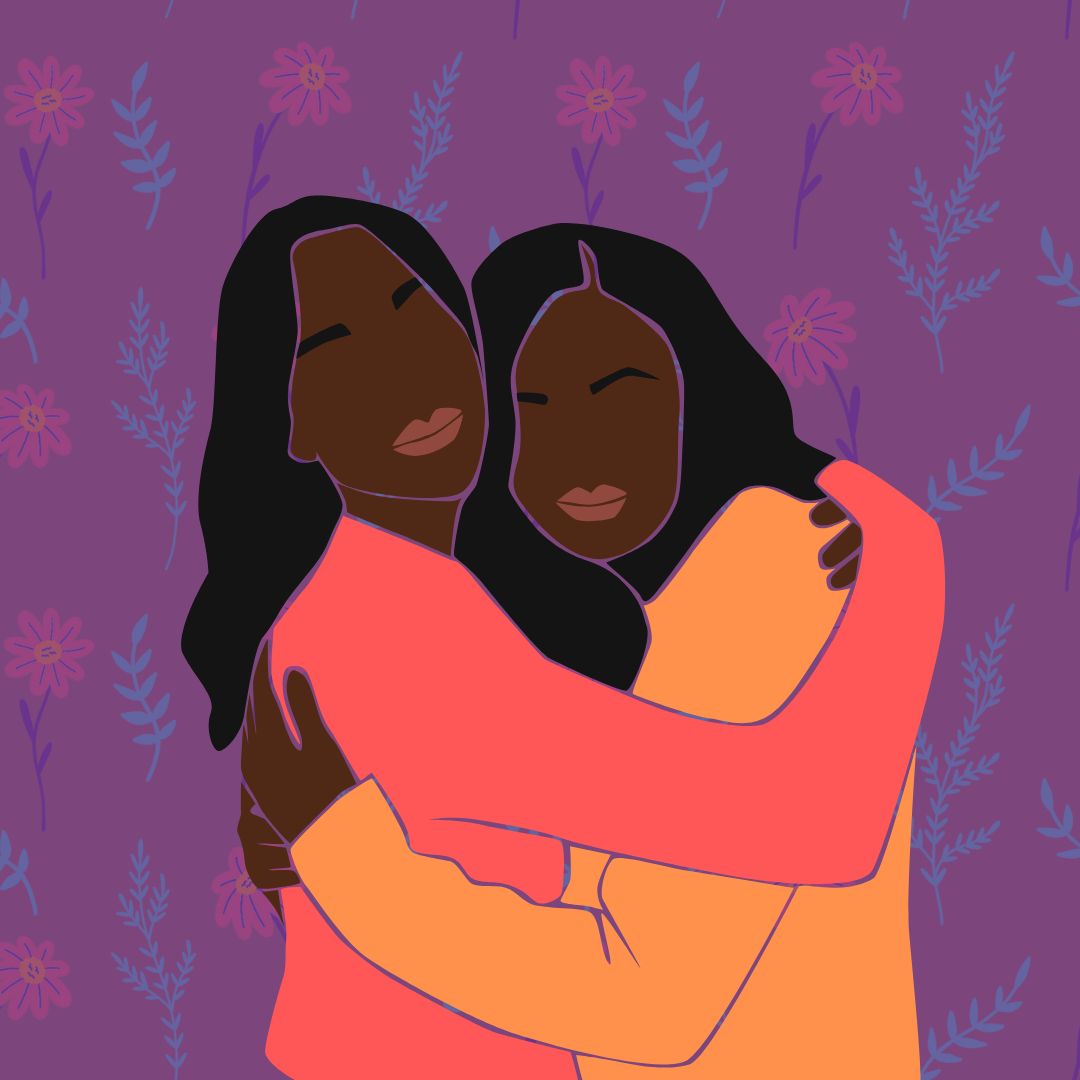
QUOTE
Abolition … it’s really about finding your own space of healing so that way you could be a better person, and we already know that if people in the community were better people, then the community would be a better community. So why wouldn’t we want to heal? And that’s what I see abolition as. And that’s how I developed that sense because that’s what it did to me. I’m not just saying this. I actually found different components in abolition like transformative justice. And I had to also work on my triggers. What bothers me? What sends me over the edge? And who sends me over the edge? Then you have to test yourself.
And once you develop your own control over that and you don’t allow the person to continue to harm you. You realize that I’m in control. I’m not going to allow nobody to harm me. I have the right to walk away from this conversation. I have a right to not put myself back in this situation. I have that right because I deserve that. And that’s when I realized what it took. You don’t like walking around with a smile on your face? Feels so much better walking around being angry. Remember we said love never hurt nobody, right?
— Sashi James
ART
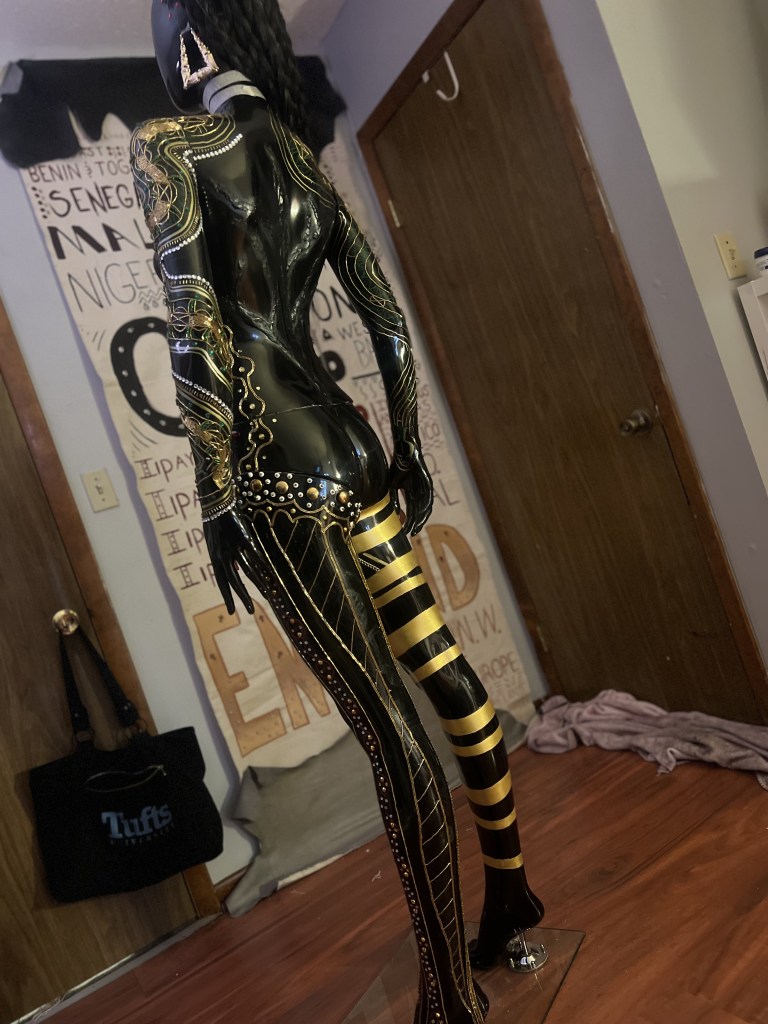
This is an image of Marla L. McLeod’s “American Woman.” From the back, one can see the image of tree markings etched into the back of a Black woman that conjure memories of whipped backs of enslaved women past. Her Black body is also covered in painted patterns of HeLa cells, which stand as a reminder of the medical abuse suffered by Black women, and beaded snakes, which allude to various obstacles her body has endured.
READINGS
ACTIVITY
Each of the interviews with James ended with the same question: “What is the most abolitionist thing you did today?” Often her responses embodied some form of care for herself (e.g., resting) or family (e.g., spending time with her mom or daughter). By the third interview, she was turning the question on Hall, asking the “interviewer” about her abolitionist activities. Taking care to be one of the most important aspects of an abolitionist practice, journal about the most abolitionist thing you’ve done today.
 Massachusetts Prison Abolition